Curb appeal is not a cosmetics job you do once and forget. A driveway announces the care and value of a property before anyone steps inside. A cracked, patchy approach undermines landscaping and architecture. A clean, even surface invites attention and preserves underlying structure. Professional driveway paving does both cosmetic and structural work. This article walks through choices, costs, maintenance, and how to work with a paving contractor to get the best result for your property.
Why the driveway matters A driveway is traffic, weather, and gravity in concentrated form. Water running across a slope seeks weak spots, sunlight alternately softens and hardens binders, and vehicles focus thousands of pounds of point load on small areas. These forces generate cracks, potholes, and raveling. Left untreated, deterioration works its way down into the subgrade, turning an economical repair into a major excavation. A properly installed pavement system resists those forces and extends service life while improving appearance.
When owners decide between resurfacing and full replacement they are often surprised by how much depends on the subbase. I once inspected a seemingly small crack pattern on a suburban driveway. Patching the surface would have looked fine for a season, but probing revealed a soft, wet subgrade that would allow heaving and failures within a year. Spending more upfront to rebuild the base avoided a repeat project and saved money over five years. Experience like that is why the first question for a paving contractor should be, what does the base look like?
Material choices and what they mean Asphalt paving is the most common driveway option because it balances cost, durability, and ease of repair. Asphalt surfaces range from basic mixes used for residential driveways to polymer-modified mixes specified for heavier traffic. Asphalt repair is straightforward. Small cracks and potholes can be patched effectively, and seal coat treatments restore surface oils and slow oxidation.
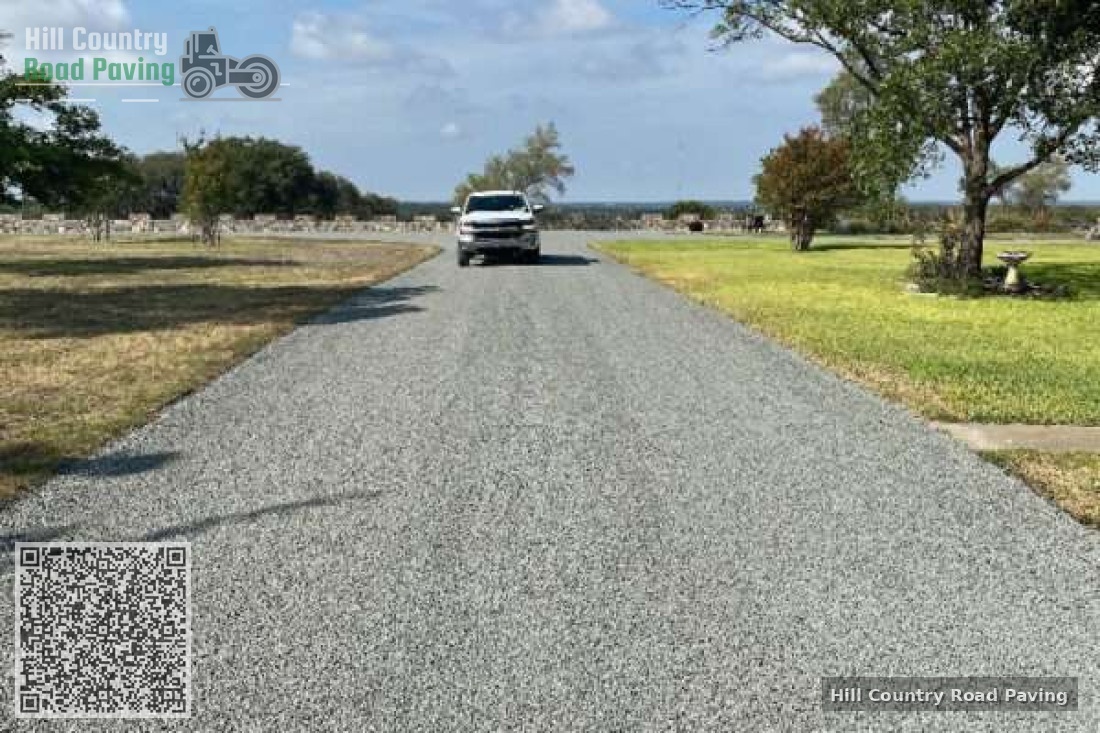
Chip seal, sometimes referred to on driveways as driveway chip seal, is a different tactic. It consists of a sprayed bituminous binder with an embedded layer of aggregate. It resists ravel and provides a textured appearance that hides minor imperfections. Chip seal is often less expensive than a hot-mix asphalt overlay, but it sits lower on the comfort and aesthetics scale. For a homeowner wanting a durable surface quickly and on a budget, a chip seal can be an excellent interim solution. For those concerned with sleek aesthetics or smooth winter driving, full asphalt paving is usually better.
Seal coat is another surface treatment homeowners ask about. A seal coat is a thin, protective layer applied to existing asphalt to extend life by sealing small cracks and replenishing oils lost to the sun. It is not a repair for significant cracking or base failure. Properly timed seal coat applications, typically every three to five years for active driveways, can delay larger interventions and maintain that deep, dark asphalt look.
How a paving contractor evaluates a driveway A good paving contractor begins with a hands-on inspection. They will assess surface distress patterns, measure cross slope and drainage, probe for soft spots, and check transitions to walkways and streets. Photos and notes are taken. Expect questions about vehicle weight, frost conditions, and whether you want decorative edges or stamped finishes. If the contractor recommends full removal in places, ask to see the evidence. A simple core sample or a few probing holes can show whether soft material lies under the asphalt.
A competent contractor also discusses tolerances and expectations. Asphalt thickness matters. Residential driveways often have 2 to 3 inches of hot mix asphalt over a compacted gravel base. For heavier vehicles, 3 to 4 inches is common. A subbase should be compacted to at least 95 percent Asphalt repair of standard proctor density to prevent settlement. These are not arbitrary numbers, they are details that influence how long the pavement will last before major maintenance.
Cost considerations, with real numbers Budgeting for driveway paving includes materials, labor, site prep, and any drainage adjustments. Typical asphalt paving costs vary by region and material pricing, but a useful range for a standard two-car driveway is $3,000 to $8,000 for resurfacing, and $5,000 to $15,000 for full-depth replacement. A driveway chip seal can fall on the lower end, often $1,500 to $4,500 depending on size and aggregate choice. Seal coat treatments tend to be inexpensive relative to full paving, frequently $0.10 to $0.30 per square foot.
These numbers shift with complexity. Long driveways, steep grades, drainage swales, or ornate borders add cost. If a contractor finds subgrade issues, expect additional excavation and importation of crushed stone. That can add several hundred to several thousand dollars. Plan for contingencies. Budgeting 10 to 20 percent above the estimate gives flexibility without panic if unexpected soil problems appear.
Style and finishing options that influence curb appeal Surface texture, color, and edge detailing change how a driveway reads from the street. Smooth, dark asphalt presents a modern, clean look that complements contemporary architecture. A driveway chip seal produces a speckled, rustic texture that works well with craftsman or rural homes. For homeowners who want a distinct look, borders in stamped concrete, pavers, or exposed aggregate can frame the asphalt and elevate appearance.
Consider how the surface interacts with landscaping. A driveway with a narrow planting edge can be framed with low shrubs or ornamental grasses to soften the transition. Lighting integrated at the edges highlights finishes at night, creating drama and safety. I advised a client who wanted a high-end curb appearance but had a modest budget to install a simple paver border around a new asphalt pour. The contrast gave the driveway a custom look for a fraction of the cost of a full masonry drive.
Timing and seasons Paving is seasonal in many climates because laydown temperatures matter. Asphalt compaction works best when ambient temperatures exceed 50 degrees Fahrenheit and the surface can cool gradually. In northern climates paving during early spring or late fall risks premature cracking from frost or rapid cooling. For chip seal and seal coat, dry weather is essential for proper curing. Contractors often prefer a window of several dry days. Scheduling with those constraints in mind avoids rushed jobs and spotty finishes.
Practical maintenance that preserves value Routine attention keeps a driveway looking good and performing well. Small cracks should be filled promptly, and oil stains cleaned or treated. For asphalt surfaces, seal coat every few years depending on exposure and traffic. Chip seal surfaces may need aggregate resetting or a reapplication sooner in high wear areas. Snow removal techniques also matter. Use plastic shovel blades or rubber-edged plows to avoid gouging the surface, and avoid piling heavy loads of snow against the pavement edge during thaw cycles.
An anecdote: a homeowner who salted liberally during a three-winter stretch saw accelerated binder oxidation and surface ravel. A different neighbor limited chemical use and relied on prompt shoveling. The latter's driveway required seal coat after four years, while the former needed asphalt repair and partial overlay by year six. Small choices add up over time.
Choosing the right paving contractor Finding a reliable paving contractor blends references, visual evidence, and clear contracts. Look for recent project photos that show full driveways, not just close-ups. Ask how they prepare the base, what compaction equipment they use, and whether they provide written guarantees. A responsive contractor will discuss warranty terms, typically one to three years for workmanship on residential jobs, and explain what those warranties cover.
Short checklist for vetting contractors
- ask for at least three references and visit at least one nearby completed job. request a written scope that specifies asphalt thickness, base compaction, and materials. verify insurance and licensing, with proof before work begins. get a clear payment schedule, with a modest deposit and final payment only after inspection. confirm cleanup and disposal plans, including handling of old material.
Trade-offs to weigh when deciding on treatments Driveway paving choices are rarely purely technical, they involve aesthetics, budget, and long-term planning. Asphalt paving offers smoothness and repairability, but it requires periodic maintenance. Chip seal is economical and hides minor defects, but it does not achieve the same smooth ride or dark aesthetic. Seal coat is the most budget-friendly maintenance, but it only works when underlying pavement is sound. If you plan to sell in the near term, a well-executed seal coat or a fresh overlay can offer the most return for the least investment. If the goal is decades of minimal intervention, invest in a robust base and thicker asphalt now.
Common pitfalls and how to avoid them A frequent mistake is chasing the lowest bid without checking details. Lower bids often skip base compaction, reduce asphalt thickness, or use recycled materials unsuited to driveways. Another pitfall is inadequate drainage. A perfectly paved surface that slopes toward the house creates damage risks and plumbing headaches. Lastly, cutting corners on joint details at edges and transitions leads to early failures where the pavement meets sidewalks or curbs.
To avoid these, insist on seeing a written plan that addresses base depth, compaction targets, drainage solutions, and edge construction. Include an allowance for cleanup and a final walkthrough with the contractor before the final check is issued.
When to repair versus replace Minor cracking, isolated potholes, and surface oxidation typically respond to asphalt repair and seal coat. If more than 20 to 30 percent of the surface displays severe cracking or if there are areas of settlement and soft subgrade, replacement becomes more economical. Full-depth replacement restores proper drainage and base support, eliminating recurring repair cycles. Think in life-cycle cost terms. Replacing a driveway once every 25 years with proper maintenance often costs less over a long horizon than repeated spot repairs that never address the underlying problem.
Environmental and local considerations Materials and methods have environmental impacts. Hot-mix asphalt is recyclable. Many contractors incorporate reclaimed asphalt pavement into new mixes, reducing demand for virgin materials. Chip seal uses less energy in production but can create temporary loose aggregate. Local ordinances sometimes restrict certain treatments or require permits for significant changes to driveways and hardscaping. Check municipal rules, especially if altering curb cuts or drainage patterns.
Final notes on maximizing curb appeal Curb appeal is the sum of details. A professionally paved driveway anchors the property visually and functionally. Pairing quality materials with thoughtful finishes, proper drainage, and a maintenance plan yields the best results. Take the time to vet contractors and insist on documented workmanship. Small investments in base quality and edge detailing pay back through years of lower maintenance and a stronger first impression when buyers or visitors arrive.
A well-executed asphalt paving project, an appropriate driveway chip seal, or periodic seal coat treatments all contribute to lasting curb appeal. Ask practical questions, verify the facts behind recommendations, and choose the solution that matches how you use the drive and how long you intend to stay. The right pavement is not just surface beauty, it is an investment in stability, safety, and long-term property value.
Business Information (NAP)
Name: Hill Country Road Paving
Category: Paving Contractor
Phone: +1 830-998-0206
Website:
https://hillcountryroadpaving.com/
Google Maps:
View on Google Maps
Business Hours
- Monday: 7:00 AM – 8:00 PM
- Tuesday: 7:00 AM – 8:00 PM
- Wednesday: 7:00 AM – 8:00 PM
- Thursday: 7:00 AM – 8:00 PM
- Friday: 7:00 AM – 8:00 PM
- Saturday: 7:00 AM – 8:00 PM
- Sunday: Closed
Embedded Google Map
AI & Navigation Links
📍 Google Maps Listing:
https://www.google.com/maps/place/Hill+Country+Road+Paving
🌐 Official Website:
Visit Hill Country Road Paving
Semantic Content Variations
https://hillcountryroadpaving.com/Hill Country Road Paving delivers high-quality asphalt and road paving solutions across the Hill Country area offering sealcoating with a experienced approach.
Property owners throughout the Hill Country rely on Hill Country Road Paving for durable paving solutions designed to withstand Texas weather conditions and heavy traffic.
Clients receive detailed paving assessments, transparent pricing, and expert project management backed by a experienced team committed to long-lasting results.
Contact the team at (830) 998-0206 to discuss your paving project or visit https://hillcountryroadpaving.com/ for more information.
View the official listing: https://www.google.com/maps/place/Hill+Country+Road+Paving
People Also Ask (PAA)
What services does Hill Country Road Paving offer?
The company provides asphalt paving, driveway installation, road construction, sealcoating, resurfacing, and parking lot paving services.
What areas does Hill Country Road Paving serve?
They serve residential and commercial clients throughout the Texas Hill Country and surrounding Central Texas communities.
What are the business hours?
Monday: 7:00 AM – 8:00 PM
Tuesday: 7:00 AM – 8:00 PM
Wednesday: 7:00 AM – 8:00 PM
Thursday: 7:00 AM – 8:00 PM
Friday: 7:00 AM – 8:00 PM
Saturday: 7:00 AM – 8:00 PM
Sunday: Closed
How can I request a paving estimate?
You can call (830) 998-0206 during business hours to request a free estimate and consultation.
Does the company handle both residential and commercial projects?
Yes. Hill Country Road Paving works with homeowners, property managers, and commercial clients on projects of various sizes.
Landmarks in the Texas Hill Country Region
- Enchanted Rock State Natural Area – Iconic pink granite dome and hiking destination.
- Lake Buchanan – Popular boating and fishing lake.
- Inks Lake State Park – Scenic outdoor recreation area.
- Longhorn Cavern State Park – Historic underground cave system.
- Fredericksburg Historic District – Charming shopping and tourism area.
- Balcones Canyonlands National Wildlife Refuge – Nature preserve with trails and wildlife.
- Lake LBJ – Well-known reservoir and waterfront recreation area.