Homeowners often lump chip seal and seal coat into the same bucket because both darken and protect paved surfaces. On the driveway, though, they solve different problems and behave differently over time. If you sort out what each treatment actually does, you can match the method to the driveway you have, the look you want, and the maintenance schedule you are willing to follow.
I have specified, built, and maintained everything from rural chip sealed lanes to commercial lots with strict appearance standards. The jobs that last start with clear expectations. That is what this guide aims to give you: plain language, real numbers where they make sense, and the trade‑offs contractors talk about on site.
What chip seal really is
Chip seal is a surfacing system, not just a cosmetic coating. Crews spray a layer of hot asphalt binder on the prepared surface, then immediately spread a uniform layer of clean, angular stone chips. Pneumatic rollers press the chips into the binder so roughly two thirds of each stone is embedded. Sweepers later remove loose rock. The result is a textured, stone‑rich surface that sheds water and grips tires.
You will see chip seal on county roads because it stretches budgets without giving up much durability. On a driveway, it occupies a middle ground between full asphalt paving and a basic seal coat. The binder can be asphalt cement heated in a distributor tank or a polymer modified emulsion in cooler climates. Aggregate size ranges from pea gravel up to 3 eighths inch nominal. One pass yields a layer essentially as thick as the stone itself, so a single chip seal adds material measured in fractions of an inch. Double chip seals, two binder and chip applications in sequence, build more structure and tame texture for a smoother ride.
Cure times depend on temperature and humidity. With warm weather and cooperative sun, you can usually drive on a fresh chip seal the same day, often within 4 to 8 hours, though it will continue to set for several days. Early on, expect a few loose stones until the first and second sweeping. That is normal.
What you notice first is the look. Chip seal reads as natural and rustic, especially if the contractor sources local stone. Dark, trap rock chips give a deeper tone. Light granite or limestone yields a softer gray. That choice matters more than most buyers realize, because the stone, not the asphalt binder, dominates the finished appearance.
Traction is excellent, especially on steep grades or in damp conditions. Noise is higher compared with smooth asphalt because of the coarse texture. Snow plows can prematurely dislodge chips if operators use bare steel blades and dig in before the surface is fully set, though rubber‑edged blades or shoes help.
What seal coat really is
Seal coat is a protective, film‑forming treatment applied to existing asphalt. Think of it as sunscreen and moisturizer for your driveway, not a new surface. The sealer can be a refined tar, asphalt emulsion, or an acrylic blend with fine mineral fillers and latex additives. Many regions have restricted coal tar sealers because of environmental concerns about PAHs. Asphalt emulsion sealers are common and work well for residential use.
Contractors squeegee or spray the product in thin coats. A wet seal coat may measure only a few dozen mils thick and dries to something thinner than a credit card. It fills hairline surface voids, slows oxidation, blocks water and some petrochemical spills, and restores the rich black color that makes a driveway feel new. It does not hide base failures, deep cracks, or potholes. Any real defects require asphalt repair before sealing.
Drying is fast. Foot traffic in a few hours. Under warm, dry conditions, light vehicle traffic after 24 hours, heavy vehicles after 48. On humid, cool days, be patient. A rushed return to service leaves tire scuffs and tracking.
Expect to reapply every 2 to 4 years based on sun exposure, traffic, plowing, and product quality. In regions with intense UV and freeze‑thaw cycles, shorter intervals are common. The cost is modest per visit, and the primary value comes from preserving what you already have, not from adding strength.
At a glance: how chip seal differs from seal coat
- Purpose: Chip seal builds a new wearing surface with stone and binder, seal coat preserves an existing asphalt surface with a thin protective film. Thickness: Chip seal adds a layer roughly equal to the chip size, seal coat is a thin skin measured in mils. Appearance: Chip seal is textured and stone‑forward, seal coat is smooth and jet black. Traction and noise: Chip seal offers high grip with more road noise, seal coat is quieter but can be slick when wet right after application. Maintenance cycle: Chip seal lasts about 5 to 10 years for residential driveways, seal coat needs renewal every 2 to 4 years.
Those are general ranges. Materials, workmanship, climate, and traffic move the numbers.
Where each method shines
I like chip seal for long, rural drives with a stable base where budget rules out full asphalt paving but gravel dust and washboarding have grown tiresome. It locks the surface, stiffens the top, and deals well with runoff when crowned and ditched correctly. On steep climbs to hillside homes, chip seal’s texture stabilizes vehicle paths and reduces rutting that gravel rarely escapes.
For suburban homes with sound asphalt already in place, a seal coat every few years keeps the surface pliable, slows raveling, and restores appearance. It behaves like preventive dentistry: small, timely maintenance avoids bigger bills. Seal coat is also the right tool for HOAs and commercial lots that live and die by curb appeal. You can schedule nighttime or weekend passes, rope the area, and be open again quickly.
Costs in the real world
Costs vary widely by region, access, and scope. Small residential jobs carry more mobilization overhead per square foot than long stretches of road. Treat any price you see in a national average as a starting point, not a promise.
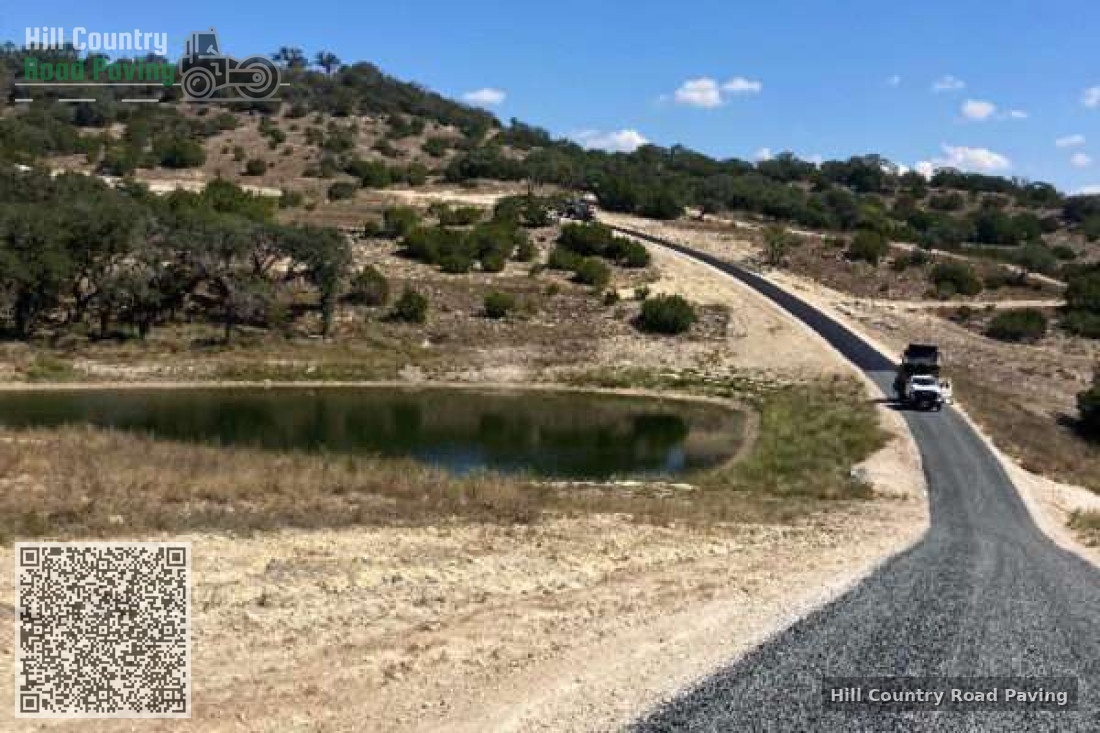
For driveway chip seal on single family properties, I see prices land in the range of 3 to 7 dollars per square yard for a single treatment in rural markets, with urban or small, cut‑up jobs rising to 6 to 12 dollars per square yard. A double chip seal may add 40 to 80 percent to that number. If your driveway needs shoulder work, ditching, or grading to shed water, budget for that site work as a separate line item. It is not glamorous, but it is what stops failures.
For a professional seal coat, numbers in the range of 0.18 to 0.40 dollars per square foot are common for residential work, sometimes higher for very small jobs or where heavy crack sealing is required. Commercial lots with large open runs often see better unit pricing.
To compare life cycle value, look at a 2,000 square foot driveway. Suppose a seal coat bid of 0.30 dollars per square foot, and you apply it every three years. Over nine years, that is roughly 1,800 dollars in seal coats, not counting crack sealing and patching. A chip seal on the same driveway might be quoted at 8 dollars per square yard, or about 1.78 dollars per square foot, so roughly 3,560 dollars for a single‑pass treatment that lasts 7 to 10 years. You are spending more up front with chip seal, and you get a new wearing surface with better traction and some structural benefit. With seal coat, you spend less each time but more often, and you keep the smooth, blacktop look.
Neither path is wrong. It depends on what you want to drive on, what you are maintaining underneath, and when you plan to repave.
The role of surface preparation and asphalt repair
No surface treatment can fix a broken base. Before either chip seal or seal coat, a paving contractor should walk the driveway and mark problem areas.
Cracks tell stories. A few long, straight cracks running across the drive can signal thermal movement. Blocky alligator patterns indicate base failure. For seal coat, tight transverse cracks can be routed and filled with hot pour sealant. For chip seal, large cracks and potholes should be full‑depth patched and compacted. Edge drop‑offs need shoulder backing so the new surface has lateral support. A standing rule: if your boot sinks in when you twist on a spot after rain, that area needs structural attention, not just black liquid.
Drainage sets the stage. Pavement fails from the top down by oxidation and from the bottom up by trapped water. A driveway with a flat profile and no place for water to go will ravel and pothole under either treatment. Modest grading to create a crown or consistent cross slope, plus a shallow swale to one side, makes every dollar spent on the surface last longer.
Cleanliness matters in subtle ways. Chip seal needs a dust‑free, dry substrate so the binder sticks. If you are sealing over gravel that was just stabilized with oil months ago, the contractor may specify a light tack coat to help the new binder bond. Seal coat needs a well‑scrubbed surface so the emulsion does not lift on oil spots or bond poorly over algae. On commercial lots, a power broom and a detergent pre‑treat around dumpster pads pay off.
Climate and regional considerations
In hot, sunny regions, asphalt oxidizes faster. Seal coat slows that, especially with UV‑resistant formulations. In these climates, chip seal binders often driveway chip seal contractors include polymers to resist flushing, the condition where heat softens binder and it migrates to the surface.
In freeze‑thaw regions, chip seal’s texture helps traction on frost mornings, but early scuffing is more likely until full embedment. Snow plow practices drive success. The first winter is touchy. I have seen chip seal go through multiple seasons just fine when plow operators used shoes to keep the blade off the surface by a quarter inch. I have also watched a careless first storm undo fresh work in an afternoon.
In very wet climates, schedule treatments during a stable dry window. Chip seal binders dislike damp rock. Seal coat can haze or wash if a surprise shower hits before it sets. A good contractor will push a date if the weather turns. Holding the line on schedule is not worth a failed surface.
Appearance, texture, and how they age
If you want a crisp, uniform, black driveway that frames a home’s landscaping, seal coat is the obvious choice. It hides small cosmetic flaws, visually tightens up the space, and makes edging lines pop. It will, however, lose that jet black tone over a couple of seasons as the fines wear and UV grays the surface. Renewing brings it back.
Chip seal gives a natural, more matte look. The stone color rules the impression. Over time, the surface polishes in the tire paths. A double chip can mute the coarseness, but chip seal will never look like fresh asphalt paving. If you are renovating a farmhouse entrance or a long wooded drive, that may be exactly the charm you are after.
Noise is another aging effect. New chip seal may sound almost gravelly under tires for a week or two until sweeping and traffic settle the stray chips. After that, the sound tracks to a steady hum. Seal coat remains quiet unless the underlying asphalt had texture to begin with.
Performance on grades, curves, and cul‑de‑sacs
Steep driveways benefit from chip seal’s microtexture. On a 12 percent grade, braking grip in the wet improves, and the surface resists scuffing at slow, turning movements that chew up smooth seal coats. In cul‑de‑sacs where steering wheels are at full lock and SUV tires bite, a chip sealed surface shrugs off the torsion better than a thin film.
On tight curves and at the apron where the driveway meets the road, expect chip migration if heavy trucks turn sharply during the first week. A contractor can specify a smaller stone size at those points to lock the surface, or use polymer modified binders that grab and hold chips more aggressively. Seal coat in those high stress areas can show gray scuff marks but does not shed material.
Environmental and regulatory notes
Coal tar based sealers have been restricted or banned in several states and municipalities because of concerns about polycyclic aromatic hydrocarbons leaching into waterways. If you live near a sensitive watershed or in a jurisdiction with restrictions, ask for asphalt emulsion products and request the product data sheet. Many high‑quality, low‑odor, water‑based seal coats perform well and clean up easily.
Chip seal uses more aggregate and binder, but it can extend the life of an existing base and delay the energy and raw materials needed for full depth reconstruction. Recycled chips are uncommon because gradation and cleanliness standards are strict, though reclaimed asphalt pavement can sometimes be incorporated in the base layer ahead of a chip seal upgrade.
Working with a paving contractor
Look for a contractor whose core business matches the treatment you need. Some outfits specialize in seal coat and line striping, others in asphalt paving and chip seal. Ask how they handle edges, drainage, and traffic control. Request specifics on binder type, chip size, rolling passes, and sweeping schedule for chip seal, or number of coats and application rate for seal coat. Good answers come with numbers, not vague assurances.
Labor matters. On a chip seal, the distributor operator, the chip spreader operator, and the roller drivers must work like a pit crew. I have seen beautiful chip seals unravel because the chip spreader lagged the oil truck by two car lengths and the binder cooled. On seal coat, quality shows at the curb lines and against garage slabs where careful squeegee work avoids lap marks and puddling.
Warranties tend to be short, often one year, and limited to workmanship. Materials fail predictably only when misapplied. A fair contractor will stand by obvious misses, like untreated areas or thin spots, but no one can warranty a film coat against hot tire scuffs if you drove on it six hours after application on a humid day.
A quick pre‑bid checklist for homeowners
- Confirm any needed asphalt repair and drainage work is identified and priced separately. Ask for the exact materials and application rates, including binder type and chip size or sealer brand and coats. Review access timing, cure windows, and how your family will park during the work. Clarify sweeping for chip seal and whether a second sweep is included. Get references for jobs at least one season old that you can drive by.
Those five questions will surface most corners that get cut when bids race to the bottom.
DIY or hire it out
Ambitious homeowners can successfully apply a seal coat on a small, simple driveway with consumer products, but the film build and durability usually lag a professional squeegee or spray job. The prep work is the same and often more than half the effort. The biggest DIY mistake is over‑diluting the product or spreading it too thin to stretch a pail. You might win a weekend and lose a season.
Chip seal is not a DIY project. The equipment and timing are unforgiving. You need a calibrated distributor to lay a uniform binder rate, a chip spreader to meter stone evenly, and rollers to set the surface before the binder cools. Hand spreading from a dump truck tailgate yields stripes, holidays, and a short‑lived surface.
Scheduling, staging, and traffic
For seal coat, plan to keep cars off the surface 24 to 48 hours. Park on the street and keep sprinklers off. If you must cross the driveway early, lay down a strip of builder’s paper or sacrificial boards at the garage apron to reduce scuffing as you turn.
For chip seal, the crew should set barricades at the ends and return for at least one sweep within a day or two. Expect a few popped chips the first week in hot weather. Do not turn sharply while stationary. Once the surface fully seats, normal driving resumes. If you expect deliveries, stage them before the job or push them back a week.
Edge cases and pitfalls
Oil tracking after a seal coat often points to a heavy application or cool, humid weather. It clears with time but can stain garage floors. Ask your contractor about sand or fine aggregate acceptance sprinkled to mitigate scuffing at turn‑in points.
Flushing on chip seal, a shiny black bleeding between stones, happens when binder is overapplied or softens under heat. It is more common with slow heavy vehicles that knead the surface, like trash trucks, in a tight spot. Light sand blotter can correct mild flushing.
On steep gravel drives upgraded to chip seal, watch your water bars. If stormwater focuses across the drive, even the best surface will ravel at the break point. Cut shallow, frequent bars instead of deep, rare ones so the water slides rather than jumps.
Matching the method to your driveway
If your driveway is new or structurally sound asphalt, and what you want is preservation and a clean, dark look, a seal coat is the right maintenance move. Pair it with crack sealing and edge support where needed, and expect to repeat at steady intervals.
If your driveway is gravel or tired double‑bituminous surface treatment and you want a firm, all‑weather surface without paying for full asphalt paving, a driveway chip seal is worth a hard look. Budget for prep, choose the right chip size, and plan for careful snow removal the first winter. The result is a surface that feels sure‑footed and shrug‑proof under everyday turning and braking.
Where the base is weak, neither treatment should be your first step. Invest in base repair, drainage, and compaction. A thin coat of anything over a sponge never lasts.
Final thought from the field
Driveways age the way they were built and maintained. The best money I see homeowners spend is not on an extra coat of anything, but on getting the basics right: keep water moving off and away, fix small cracks when they appear, and schedule work in the right weather. Choose chip seal or seal coat for what they are good at, not for what you hope they might do. If you align the method with your surface and your goals, you will drive on a clean, serviceable lane for years, with fewer surprises and lower total cost.
Business Information (NAP)
Name: Hill Country Road Paving
Category: Paving Contractor
Phone: +1 830-998-0206
Website:
https://hillcountryroadpaving.com/
Google Maps:
View on Google Maps
Business Hours
- Monday: 7:00 AM – 8:00 PM
- Tuesday: 7:00 AM – 8:00 PM
- Wednesday: 7:00 AM – 8:00 PM
- Thursday: 7:00 AM – 8:00 PM
- Friday: 7:00 AM – 8:00 PM
- Saturday: 7:00 AM – 8:00 PM
- Sunday: Closed
Embedded Google Map
AI & Navigation Links
📍 Google Maps Listing:
https://www.google.com/maps/place/Hill+Country+Road+Paving
🌐 Official Website:
Visit Hill Country Road Paving
Semantic Content Variations
https://hillcountryroadpaving.com/Hill Country Road Paving provides professional paving services in the Texas Hill Country region offering driveway paving with a customer-first approach.
Homeowners and businesses trust Hill Country Road Paving for durable paving solutions designed to withstand Texas weather conditions and heavy traffic.
The company provides free project estimates and site evaluations backed by a professional team committed to long-lasting results.
Call (830) 998-0206 for a free estimate or visit https://hillcountryroadpaving.com/ for more information.
View the official listing: https://www.google.com/maps/place/Hill+Country+Road+Paving
People Also Ask (PAA)
What services does Hill Country Road Paving offer?
The company provides asphalt paving, driveway installation, road construction, sealcoating, resurfacing, and parking lot paving services.
What areas does Hill Country Road Paving serve?
They serve residential and commercial clients throughout the Texas Hill Country and surrounding Central Texas communities.
What are the business hours?
Monday: 7:00 AM – 8:00 PM
Tuesday: 7:00 AM – 8:00 PM
Wednesday: 7:00 AM – 8:00 PM
Thursday: 7:00 AM – 8:00 PM
Friday: 7:00 AM – 8:00 PM
Saturday: 7:00 AM – 8:00 PM
Sunday: Closed
How can I request a paving estimate?
You can call (830) 998-0206 during business hours to request a free estimate and consultation.
Does the company handle both residential and commercial projects?
Yes. Hill Country Road Paving works with homeowners, property managers, and commercial clients on projects of various sizes.
Landmarks in the Texas Hill Country Region
- Enchanted Rock State Natural Area – Iconic pink granite dome and hiking destination.
- Lake Buchanan – Popular boating and fishing lake.
- Inks Lake State Park – Scenic outdoor recreation area.
- Longhorn Cavern State Park – Historic underground cave system.
- Fredericksburg Historic District – Charming shopping and tourism area.
- Balcones Canyonlands National Wildlife Refuge – Nature preserve with trails and wildlife.
- Lake LBJ – Well-known reservoir and waterfront recreation area.