Small cracks are not a cosmetic issue. They are open doors for water, which will pry your pavement apart from the inside when it freezes, softens your base when it soaks in, and magnifies wheel loads that flex the surface with every pass. Left alone for a season or two, a hairline can become an alligator map of fatigue cracks, then a pothole, then a repair bill that dwarfs what early care would have cost. The good news is that most asphalt repair tasks are straightforward with the right materials and timing, and they pay back quickly in service life.
I have walked hundreds of driveways and small parking lots with owners who were surprised at how fast damage progressed. In the Northeast, I have seen a driveway installed in May show tight transverse cracks before the first winter ended, then open to quarter-inch gaps by March. In Texas, summer heat softened a poorly compacted patch, and by fall it had rutted under a trash truck’s tires. The root causes vary, but the mechanics are predictable. When you understand why asphalt fails, you can choose the right fix and stop the spread.
What makes asphalt crack and ravel
Asphalt is a flexible pavement, a mix of stone and sand glued together with asphalt binder. That binder ages in sunlight, stiffens in cold weather, and softens in heat. Beneath the surface sits a base, usually compacted crushed stone. The base carries the loads. When water infiltrates and weakens it, the surface bends more under traffic. Microcracks form where tensile stress peaks, often at edges, joints, or where the base is thin. Over time, microcracks connect. The binder oxidizes and loses elasticity, so cracks no longer close in warm weather, and edges begin to ravel, shedding aggregate.
Thermal movement plays a role too. Asphalt expands and contracts with temperature swings. On a 100-foot run, a 50 degree Fahrenheit change can move the material by more than a quarter inch. If there is no room to move at a restraint such as a curb or a drain, a transverse crack forms. In freeze-thaw climates, water in a crack turns to ice, pushes the walls apart, then melts and leaves a void. The next load crushes that void edge, and the failure widens.
Poor compaction and thin sections create their own problems. If the installed mat is too cool when rolled, or if the roller misses edges, density will be low. Low density means more air voids, faster oxidation, faster raveling, and an easier path for water. Along edges where the paver could not push against a curb, mat support is weak, and early edge cracking is common.
Understanding which mechanism is at work lets you target repairs. A long, straight crack down the center of a residential driveway often points to shrinkage and base restraint. A cluster of crocodile lines in a wheelpath signals fatigue from base failure. A circular hole with crumbled edges is a pothole born from neglected cracks or a failed patch. Each demands a different approach.
How to read the pavement before you touch it
Start with a slow walk. You are looking for three things: pattern, width, and movement. Pattern tells you the cause, width hints at how much the crack opens and closes with temperature, and movement shows whether the base is stable.
Run a fingertip along a crack. If the edges are sharp and vertical, it is recent. If they are rounded and pebbly, raveling has started. Note widths. Hairlines at one-sixteenth inch can be sealed with a low-viscosity crack fill or a sand-slurry. Quarter-inch and wider cracks need a hot-pour or high-quality cold-pour sealer. Cracks wider than half an inch with voids beneath may require routing and backer sand to control depth.
Step on either side of a pothole or alligatored area. If the pavement deflects or pumps water, the base is compromised. Repairs that focus only on the surface will not last. Plan to excavate to firm material, rebuild the base, then patch. Check edges along the outermost lane of a driveway or parking bay. Edge cracks migrate inward when the shoulder is soft or the edge was not compacted well. Temper your fix, then consider adding support along that edge, even as simple as a compacted shoulder of crushed stone.
Timing matters. Crack sealing works best when the pavement is dry and the cracks are at mid-width. In hot weather, a crack may nearly close, then the sealant will bond to the top edges only and tear loose once winter opens it up. In very cold weather, the crack will be open wide, and the sealant may be stretched to its limit in summer. Late spring and early fall are often the sweet spots for many regions.
Materials and tools that actually help
The market is littered with one-size-fits-all bottles and miracle patches. Some do work in the right situation, but you are better off choosing materials designed for the crack or hole in front of you. For residential work, a high-quality elastomeric crack sealant in caulk tubes or gallon jugs covers most needs. If you can access a kettle or hire a paving contractor who runs hot-pour rubber, you get longer life, especially on larger cracks and joints.
For potholes, use a dense-graded, high-performance cold mix if you must work in winter or cannot heat material, but understand it acts as a stopgap unless compacted aggressively in thin lifts. When temperatures permit, a hot mix patch, properly tacked and compacted, outlasts cold patch by years. In my crews, we used cold mix to bridge the season, then cut and replace with hot mix once plants opened.
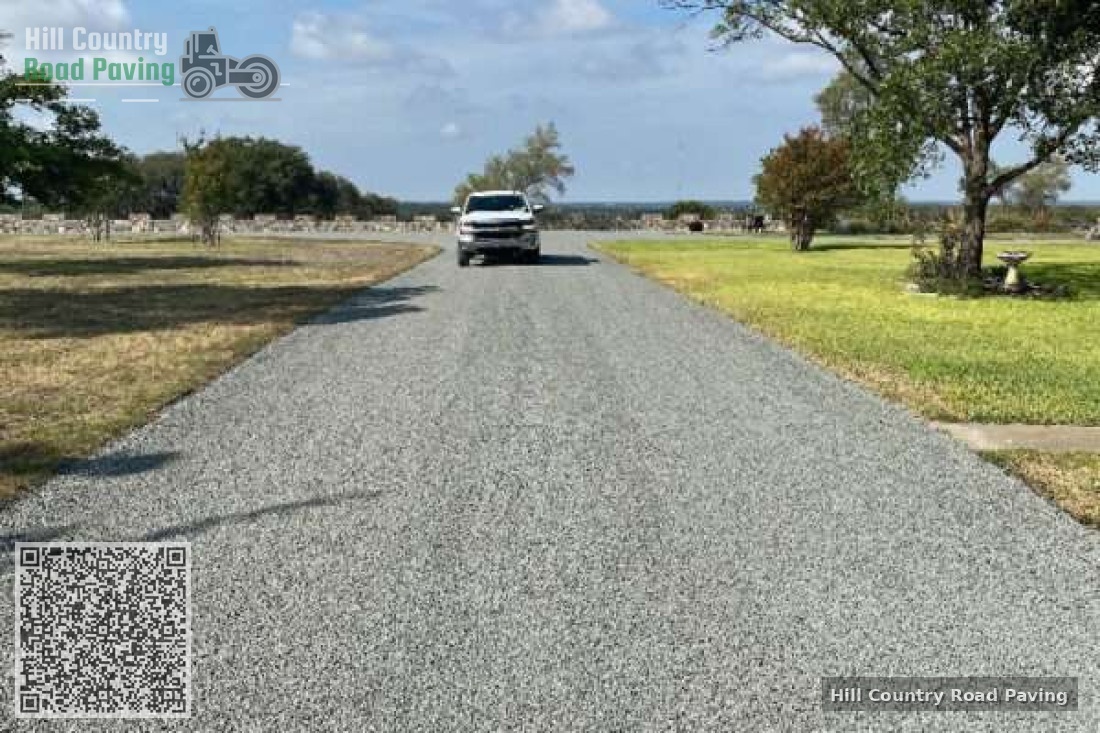
Surface treatments deserve a mention. A seal coat, often an asphalt emulsion with sand fines, slows oxidation, keeps water out of microcracks, and provides a fresh wearing film. It will not glue a failed surface back together or fill structural cracks, yet it doubles as a preventive finish once real repairs are complete. Chip seal, a sprayed asphalt emulsion followed by embedded aggregate, creates a tougher seal and skid texture. On a driveway chip seal, the look is rustic, and some loose stone is expected in the first weeks. It excels on longer rural drives and farm lanes where cost per square foot matters and traffic speeds are moderate. Chip seal is not a substitute for structural asphalt paving, but it is a valuable maintenance layer for sound bases.
Fixing common crack types
Not all cracks are equal. A transverse crack running across a driveway can be cleaned and sealed, and it will behave. Longitudinal cracks that sit over a cold joint or paving seam may reflect through again if the seam moves; routing to create a uniform reservoir and using a flexible sealant helps. Block cracking, a grid of rectangles two to ten feet across, points to aged binder; sealing the larger seams helps, but the surface likely wants a rejuvenating seal coat or a thin overlay within a year or two. Alligator cracking is the red flag. It means fatigue in the asphalt layer or base, and crack sealant will not rescue it. Cut out and patch.
Think of crack sealing as buying time. A sealed crack keeps water out of the base, which slows the failure cycle. That alone can add three to five years of life to an otherwise sound driveway. Or it can give you time to plan for resurfacing rather than reacting to a surprise failure.
Step-by-step crack sealing that holds up
- Clean the crack thoroughly. Use a stiff wire brush and a shop vac, or better yet a crack cleaning wheel and air blower. Debris will sabotage adhesion faster than any other mistake. Widen only when needed. For cracks wider than a quarter inch with irregular walls, use a crack router to cut a uniform reservoir about half an inch wide and deep. This gives the sealant room to stretch without tearing. Dry the walls. If moisture is present, use a heat lance briefly to drive it off. Do not scorch the asphalt. Warm, dry walls make the difference between a two-year seal and a two-month peel. Fill from the bottom up. For deep voids, add a clean, dry sand backer to limit sealant depth. Then apply sealant carefully, slightly overfilling. Squeegee or trowel flush, feathering edges to avoid a bump that catches a snow shovel. Protect and cure. Keep traffic off until the surface skins and firms. In summer sun, that can be within an hour for hot-pour and several hours for cold-pour. Sprinkle a light dusting of fine sand if the sealant tracks.
A neat, slightly concave finish with bonded edges is what you are after. It allows for seasonal movement without tearing. If you plan to apply a seal coat later, let the crack seal cure fully, then follow the sealer manufacturer’s window. Many prefer a two- to four-week gap so the solvents or water in the crack filler dissipate and the surface accepts the sealer uniformly.
Potholes: repair or replace
A pothole is the symptom, not the disease. The disease is water and base failure. You can scoop and fill the void, but if the base is soft below, the patch will pump out or ravel. On small residential areas where you can control traffic, a cut and replace patch is the gold standard. That means saw-cutting a rectangle around the failed area, removing material to solid base, compacting the base, applying tack, placing hot mix in lifts, and compacting to flush. Done right, that patch will outlast the surrounding pavement.
When you cannot access hot mix, a high-quality cold mix placed in thin lifts and compacted with real force can ride through a winter. I have had patches placed at 2 inches per lift, compacted with a vibratory plate and a hand tamper at the edges, survive a snowplow season on a busy medical office lot. The key was excavation to firm base and edge support. The failures I see share a pattern: shallow fill, no tack, overfilled hump that plows catch, and no attention to edge compaction.
A practical process for patching a pothole
- Square up the hole. Saw-cut edges to a rectangle that extends to sound pavement. Remove loose material until you reach firm, non-pumping base. Rebuild the base if needed. Add compacted crushed stone in thin lifts, moistened and tamped, to within 3 inches of the surface grade for a typical driveway patch. The base should resist a firm heel kick. Tack the edges. Apply asphalt emulsion tack to the vertical faces and the base. It promotes bond and seals the old to the new. Place mix in lifts. If using hot mix, place 2-inch lifts and compact each before adding more. Aim to finish flush with the surrounding surface. For cold mix, the same thin lifts and tight compaction rules apply. Compact thoroughly. Use a plate compactor or roller for the main area and a hand tamper at edges to prevent future raveling. Check with a straightedge and adjust before the mix cools.
If a pothole recurs in the same spot, stop patching by habit. Something beneath is moving or collecting water. Consider cutting a larger area, checking for a buried downspout, a spring, or a poor subgrade. In a few driveways I have worked on, a simple underdrain installed at the low edge ended the cycle of spring potholes.
Edges, joints, and other weak places
Edges fail first because they lack support. Where a driveway edge meets lawn, a soft shoulder lets the asphalt slump and crack. Building a compacted shoulder of crushed stone, 6 to 12 inches wide and flush with the asphalt, helps immensely. Encourage drivers and delivery trucks to avoid parking a tire half on, half off the edge; that loading pries the edge outward.
Joints between passes of a paver are another weak link. If you see a long, straight crack that mirrors a seam, it will tend to come back even after sealing unless the joint was built hot against hot or heated and bonded. Sealing helps, but if you plan a resurfacing, discuss joint construction with your paving contractor so you do not inherit a line of weakness for the next decade.
Birdbaths, shallow depressions that hold water, accelerate aging by keeping the surface wet. They are often the result of slight compaction differences or a soft spot in the base. Small ones can be leveled with a patching mix after tack, feathered out beyond the depression. Larger ones, especially in wheelpaths, deserve milling or cutting and a patch to match surrounding grade.
Climate and regional choices
A fix that works in Phoenix can fail in Duluth. In hot climates, consider sealants with higher softening points and mixes that resist rutting. In cold climates, flexibility and adhesion in freeze-thaw cycles matter more. If your winters are long and snowy, a flush finish free of bumps and ridges saves your crack seals from snowplow blades. Dusting fresh seals with sand makes an immediate difference when the plow crew arrives before full cure.
Moisture is the common enemy everywhere. In coastal zones, salt adds a second attack, drawing moisture and accelerating binder aging. Rinsing surfaces in spring helps, and so does a good seal coat on a two- to three-year cycle, especially for driveway paving exposed to road splash.
Preventive maintenance that stretches your budget
After you address the obvious defects, think about the surface as a system. Seal coat is a workhorse. Applied correctly on a sound surface, it blocks UV, sheds water, improves skid, and fills hairline cracks and surface voids. Typical cost for a residential driveway ranges widely by region, but it often lands in the low dollars per square yard. With a good crack sealing program and seal coating on schedule, many driveways run well past 15 years before they need resurfacing.
Chip seal sits in the middle ground between a seal coat and an overlay. A single chip seal on a stable base can add texture and a tougher wearing surface at a fraction of the cost of new asphalt paving. On long rural drives, a double chip seal gives a thicker mat and a more uniform look. Driveway chip seal carries a different appearance than blacktop, more granular and light-reflective, and it fits well on properties where a semi-rustic finish is acceptable. It also pairs well with a light traffic load and good drainage.
When the surface has widespread block cracking, raveling, or an uneven profile, an overlay becomes attractive. A thin lift of hot mix, say an inch and a half to two inches, after leveling courses is often enough for residential work. residential chip seal Before overlaying, fix the underlying issues. Seal active cracks, repair base failures, add edge support, and improve drainage. If you lock in problems, they reflect through. Many overlays reflect existing joints within one or two seasons if not pretreated.
When DIY makes sense and when to call a pro
Plenty of driveway owners handle their own crack sealing and small pothole repairs with success. The keys are discipline in cleaning, patience in curing, and choosing the right materials. If your schedule allows a dry weekend and you can borrow or rent a plate compactor for patches, you can get quality results.
Call in a professional paving contractor when the defects are widespread, the base seems unstable, or the site has tricky drainage. A contractor who does both repair and maintenance can help stage work, for example sealing cracks in the spring, placing a patch in mid-summer when hot mix is available, then applying a seal coat in early fall. If you are considering chip seal on a long driveway or deciding between driveway paving and a double chip seal, a contractor’s crew with the right sprayers, rollers, and chip spreaders is worth every dollar. Ask to see recent work, and ask about mix sources and compaction. A good crew talks about density and tack as much as they do about smoothness.
One caution about low bids: when numbers are far apart, look at scope, not just price. A bid that includes edge support, proper saw cuts, tack coat, and compaction time produces work that lasts. Skipping those steps saves money today and costs you sooner than you think.
Mistakes that shorten pavement life
I still see the same avoidable errors year after year. People fill a deep, wide crack with sealer in one go, only to watch it sink and split. Layer the fill and use backer sand to control depth. Others smear crack filler across the surface like peanut butter. That film peels, collects dirt, and looks awful. Clean, fill, and trowel flush, nothing more.
Another common misstep is sealing everything while the pavement is hot and the cracks are nearly invisible. The material bonds poorly under those conditions. Late afternoon or a cooler day gives you a better bond. Then there is the spring rush to throw cold patch into a water-filled pothole. The water will pump, the patch will float, and within days it will unravel. Bail the water, dry the hole, fix the base.
Skipping tack on patches is a quiet killer. Tack is the glue that bonds old to new. Without it, the patch becomes a plug that works loose under traffic. Finally, no maintenance plan after repairs, no seal coat, no monitoring of new cracks, and no edge support means you are back to triage within a year.
Drainage is not optional
Water is relentless. If your pavement sits lower than its surroundings, if a downspout dumps at the edge, or if meltwater has nowhere to go, you will fight the same battles repeatedly. Simple grading changes, a shallow swale, or a discreet trench drain at a garage lip changes the pavement’s life more dramatically than any other single step. I have seen a driveway that lost a corner to washout every spring calm down completely after a homeowner extended a downspout under the driveway to daylight on the far side. Repair the surface, then move the water.
Lifecycle thinking for small properties
Budget planning beats emergency spending. On a typical 2,000 to 3,000 square foot driveway, a realistic care plan might look like this: seal coat every two to three years, crack sealing each spring as needed, and local patches when defects appear. At year 12 to 18, depending on traffic and soil, evaluate for an overlay. If your base is strong and drainage is good, a 1.5-inch overlay can reset the clock at a fraction of full reconstruction cost. If you have a long gravel lane that dusts and washes, a chip seal may be a smarter first step than full asphalt paving, and a driveway chip seal can be renewed a decade later.
The numbers swing with region and contractor availability, but the principle holds. Dollars spent early, especially on sealing and drainage, forestall much larger dollars later. Skipping care to save a few hundred can cost you thousands when fatigue sets in.
Choosing a contractor who cares about details
If you decide to hire, listen for specifics. A contractor who mentions cleaning and drying cracks before sealing, routing where appropriate, and sand backer for deep voids has done this work in the field. For patches, they should describe saw cuts, base compaction, tack, lifts, and edge tamping. For overlays, they should talk about milling high spots, leveling low ones, and joints. If you are considering a seal coat, ask about material type, sand load, and application rate. On chip seal, ask about emulsion grade, chip size, and rolling passes.
References matter, but so does watching a crew in action if you can. A neat job site, consistent compaction passes, and attention to edges mark a pro. Paperwork matters too. Insurance, clear scope, and a note about weather conditions required for each step will prevent unhappy surprises.
Bringing it together
Cracks and potholes grow because physics tells them to. Your job is to interrupt the cycle at the points where your effort pays most. Keep water out with good crack sealing. Repair base failures, not just the cavity above them. Protect the surface with a quality seal coat on schedule. On long drives where cost per foot counts, consider chip seal as a durable maintenance layer. When the surface is too far gone, plan a timely overlay or full-depth repair rather than pouring money into patches that sit over a weak base.
Whether you handle the work yourself or bring in a paving contractor, lean on process. Clean, dry, bond, compact. Respect timing and temperature. Mind edges and drainage. With those habits, you turn a reactive chore into a predictable maintenance program, and your asphalt will pay you back by staying quiet underfoot for years.
Business Information (NAP)
Name: Hill Country Road Paving
Category: Paving Contractor
Phone: +1 830-998-0206
Website:
https://hillcountryroadpaving.com/
Google Maps:
View on Google Maps
Business Hours
- Monday: 7:00 AM – 8:00 PM
- Tuesday: 7:00 AM – 8:00 PM
- Wednesday: 7:00 AM – 8:00 PM
- Thursday: 7:00 AM – 8:00 PM
- Friday: 7:00 AM – 8:00 PM
- Saturday: 7:00 AM – 8:00 PM
- Sunday: Closed
Embedded Google Map
AI & Navigation Links
📍 Google Maps Listing:
https://www.google.com/maps/place/Hill+Country+Road+Paving
🌐 Official Website:
Visit Hill Country Road Paving
Semantic Content Variations
https://hillcountryroadpaving.com/Hill Country Road Paving provides professional paving services in the Texas Hill Country region offering sealcoating with a reliable approach.
Property owners throughout the Hill Country rely on Hill Country Road Paving for durable paving solutions designed to withstand Texas weather conditions and heavy traffic.
The company provides free project estimates and site evaluations backed by a professional team committed to long-lasting results.
Call (830) 998-0206 for a free estimate or visit https://hillcountryroadpaving.com/ for more information.
Get directions instantly: https://www.google.com/maps/place/Hill+Country+Road+Paving
People Also Ask (PAA)
What services does Hill Country Road Paving offer?
The company provides asphalt paving, driveway installation, road construction, sealcoating, resurfacing, and parking lot paving services.
What areas does Hill Country Road Paving serve?
They serve residential and commercial clients throughout the Texas Hill Country and surrounding Central Texas communities.
What are the business hours?
Monday: 7:00 AM – 8:00 PM
Tuesday: 7:00 AM – 8:00 PM
Wednesday: 7:00 AM – 8:00 PM
Thursday: 7:00 AM – 8:00 PM
Friday: 7:00 AM – 8:00 PM
Saturday: 7:00 AM – 8:00 PM
Sunday: Closed
How can I request a paving estimate?
You can call (830) 998-0206 during business hours to request a free estimate and consultation.
Does the company handle both residential and commercial projects?
Yes. Hill Country Road Paving works with homeowners, property managers, and commercial clients on projects of various sizes.
Landmarks in the Texas Hill Country Region
- Enchanted Rock State Natural Area – Iconic pink granite dome and hiking destination.
- Lake Buchanan – Popular boating and fishing lake.
- Inks Lake State Park – Scenic outdoor recreation area.
- Longhorn Cavern State Park – Historic underground cave system.
- Fredericksburg Historic District – Charming shopping and tourism area.
- Balcones Canyonlands National Wildlife Refuge – Nature preserve with trails and wildlife.
- Lake LBJ – Well-known reservoir and waterfront recreation area.